The Story of Imperial Jadeite

Cabana x Asprey

The desirability and mysticism of Imperial Jadeite- the
rarest form of Jade- endures through cycles of taste and speculation. Its
global market, long centred in Hong Kong, reflects both cultural reverence and
modern investment for a stone of exceptional quality and beauty. In
conversation with Asprey, one of the foremost British Maisons working with
Imperial Jadeite, Cabana explores the history of this extraordinary stone.

  • Photo Credit : Milo Brown, Courtesy of Cabana


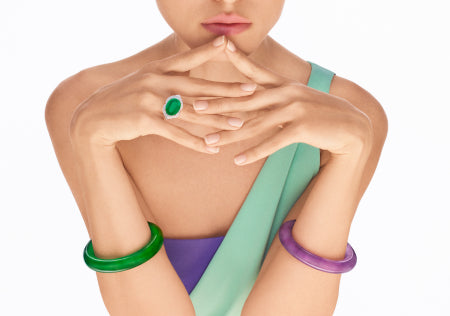
Imperial Jadeite, the rarest and most coveted form of Jadeite, is quite distinct from its more common cousin, Nephrite, the most ubiquitous form of Jade. There is a quiet, almost magnetic, power to this ineffable stone, and few materials have so profoundly shaped human desire for so long. It is, in fact, often said that while gold can be weighed, measured and priced accordingly, Jadeite- and in particular, Imperial Jadeite, is priceless, due to its desirability and immeasurable cultural value.

  • Photo Credit : Milo Brown, Courtesy of Cabana

     
  • Photo Credit : Milo Brown, Courtesy of Cabana


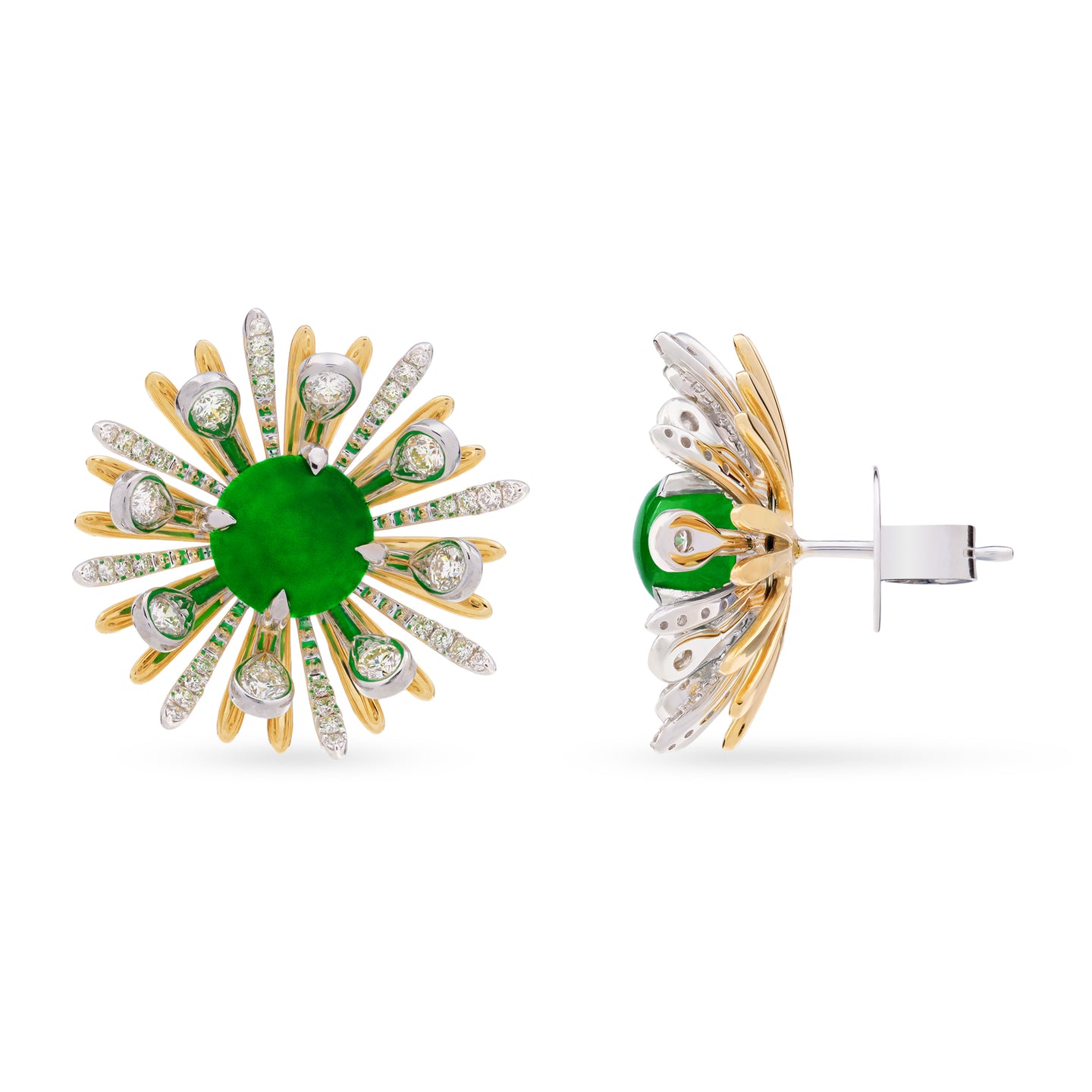
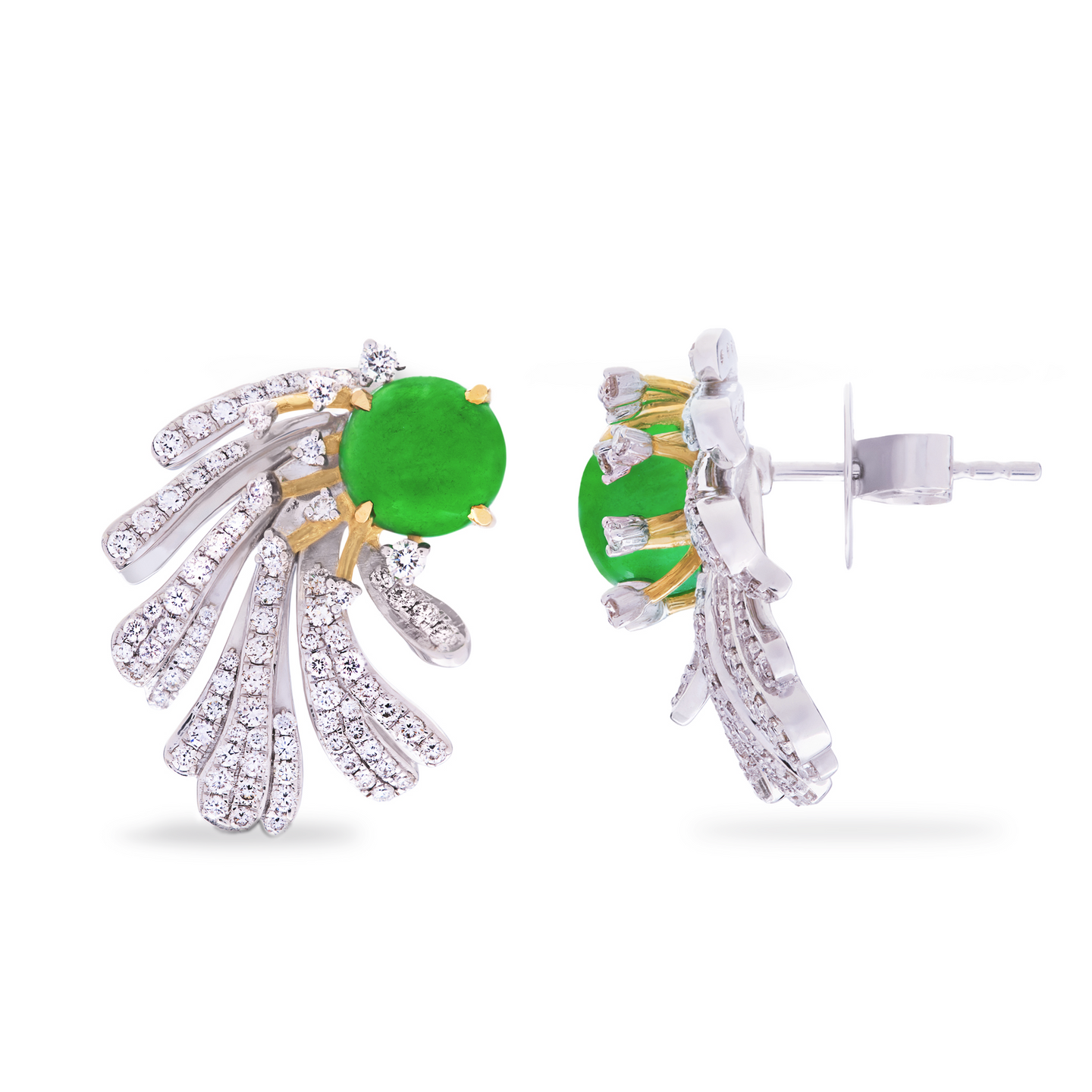
It is the "scarcity, rarity" and elusive color of Imperial Jadeite – vivid green with high translucency levels – that makes the stone so extraordinary, according to gem specialists at Asprey. A visit to the Maison's studio and headquarters on London's Bruton Street reveals museum-quality Jadeite in a variety of presentations, from objets d'art to jewelry. The largest pieces seem to contain their own meteorology: naturally-occurring veins swirl beneath the gem's surface like storm clouds, or multiple stars illuminating a night sky. "The quality of Asprey's Imperial Jadeite is unsurpassable," agrees Jadeite specialist, Bobby Gill. "The high glass levels and translucency, together with the vivid color." Crucially, only a small fraction of Jadeite achieves the spectral green and near-glassy translucence to be awarded the superior classification of Imperial Jadeite, historically reserved for emperors. Nephrite Jade signified virtue, eternity, and authority in imperial China, but Jadeite, arriving in the 18th century from Myanmar through new trade routes, quickly displaced Nephrite at the Qing court.

  • Photo Credit : Milo Brown, Courtesy of Cabana

     
  • Photo Credit : Milo Brown, Courtesy of Cabana


The value of Imperial Jadeite has long depended less on carat weight than on texture and light, explains Asprey's Bobby Gill. Fine Imperial Jadeite transmits light with the softness of candle wax, yet its structure is tough enough to resist scratching by steel. The material’s quiet opacity lent a counterpoint to Asprey’s metalsmithing, and recent commissions continue this lineage. They treat Imperial Jadeite not as an ornament, but as a sculptural medium whose surface holds light like water. Yet beyond commerce, the stone’s appeal lies in its continuity. Imperial Jadeite connects the miner’s rough boulder in Kachin, to the carver’s bench in Guangzhou, and the collector’s cabinet around the world. It remains a material of judgement: every shade, every inclusion, every plane of translucence matters. It resists mass production and rewards patience- a sovereign, timeless material.

Book a private viewing at one of our London Boutiques